Installing an inground pool is one of the most rewarding home improvements you can make — but in New York, it requires proper permits before a single shovel hits the ground.
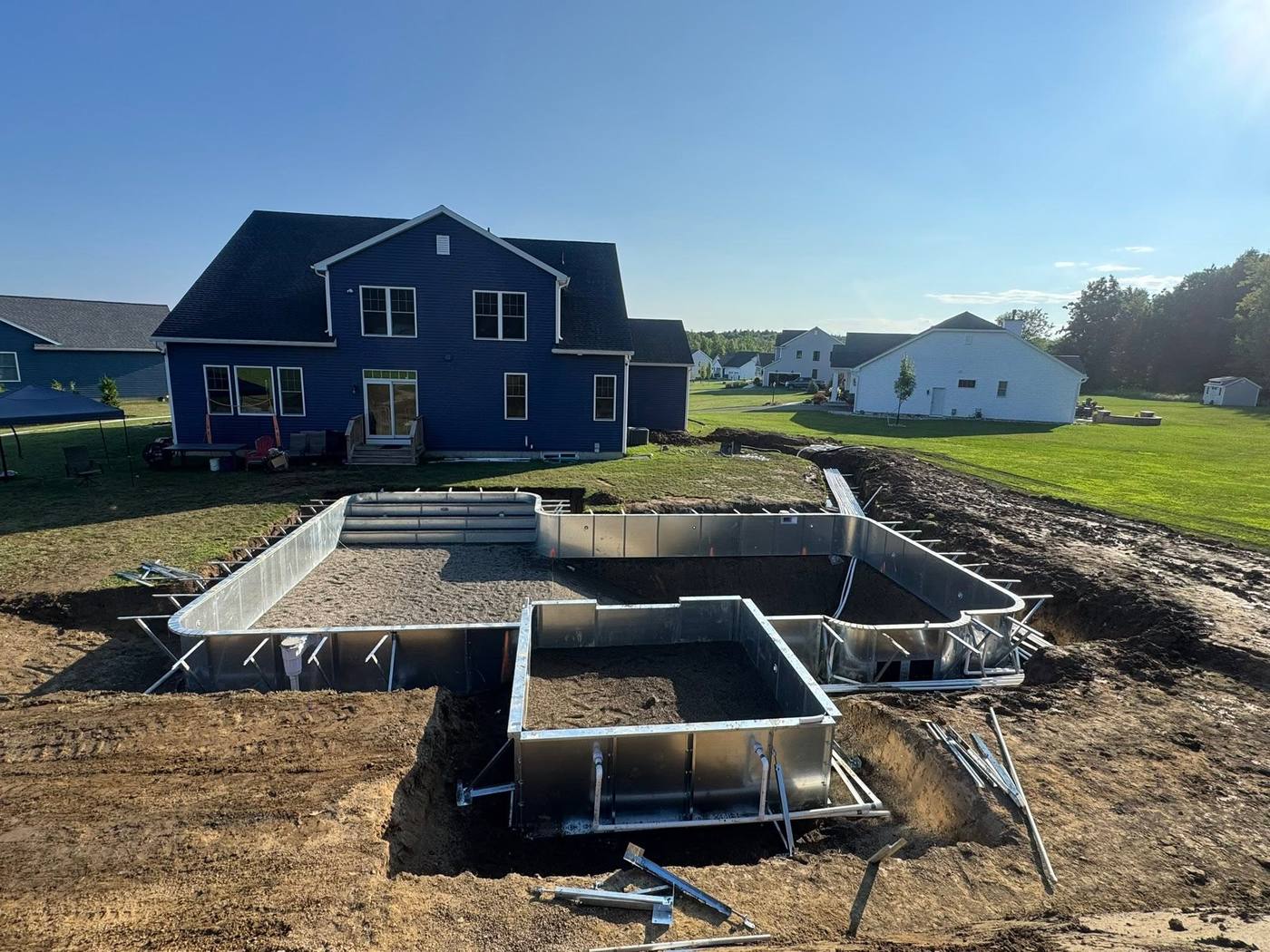
In New York State, a building permit is required for virtually all inground pool installations, from Albany to Ravena, Bethlehem, Guilderland, Colonie, Saratoga, and Clifton Park.
Permits are issued at the local municipality level — your town, village, or city building department issues the permit, not the state. Requirements can vary between jurisdictions, but most Capital Region municipalities require:
Most inground pool projects in the Capital Region require more than just a single building permit.
Required for the structural pool installation itself, including excavation and any deck or patio work.
Required for pool lighting, pumps, heaters, and GFCI outlets. Must be installed by a licensed electrician.
Required for water supply lines, drainage systems, and filtration connections.
New York also requires all inground pools to be enclosed by a fence at least 4 feet high with a self-latching, self-closing gate — a separate fence/barrier permit may apply depending on your municipality.
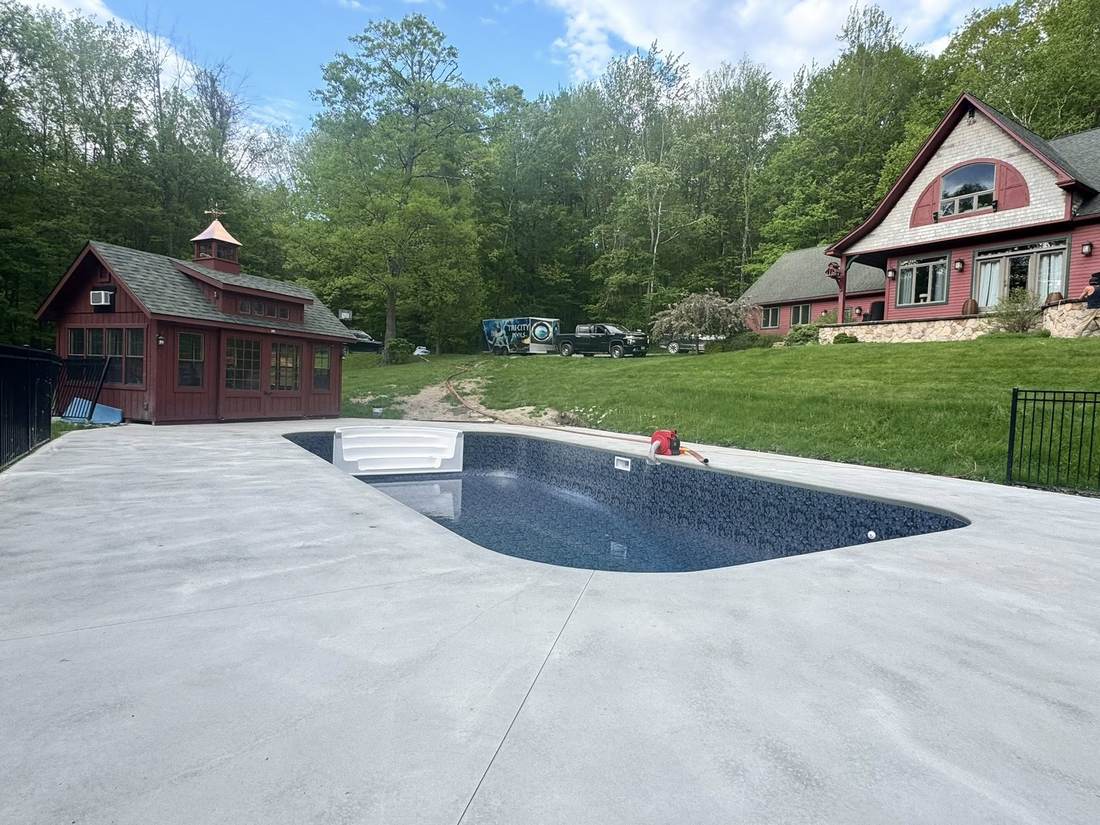
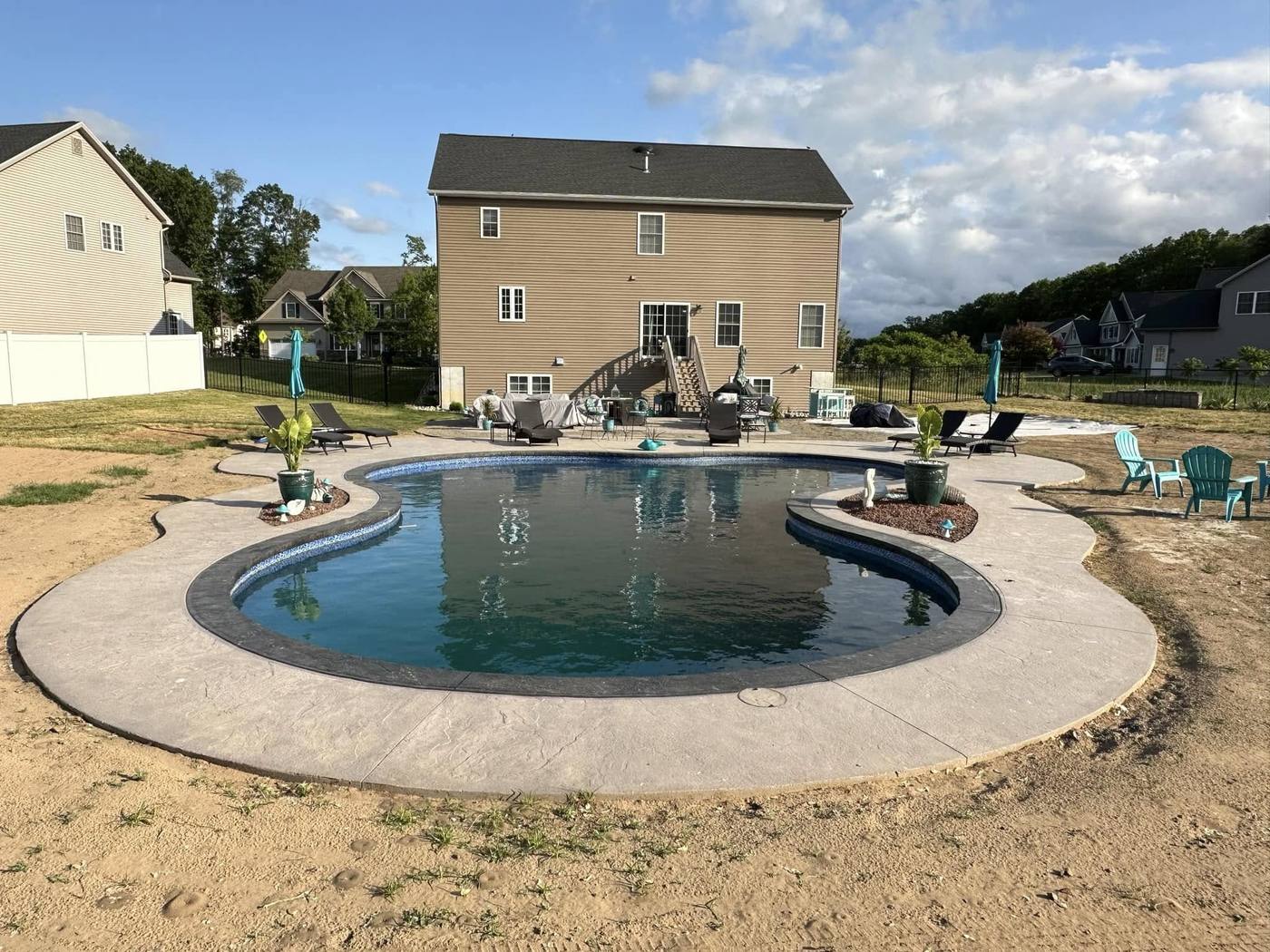
We review your property, discuss pool size and placement, and identify setback constraints before you apply.
A scaled site plan showing pool location and setbacks is submitted with your application.
You or your contractor submits the building permit application to your local building department.
Your local building department typically reviews plans within 1–3 weeks.
Inspections happen at various stages — after excavation, after rough-in, and at completion.
After all inspections pass, your building department issues a Certificate of Completion.
Most building departments in Albany County process permit applications within 2–4 weeks, though this can vary by municipality and season.
Fees vary by municipality and are generally based on the estimated project value. In the Capital Region, fees typically range from $100 to $500 or more.
It's not recommended. Installing without a permit can result in stop-work orders, fines, forced removal, and complications when selling your home.
Yes. Pool enclosure requirements must be met before the pool can be used, as part of your final sign-off.
Yes — permit requirements apply to both fiberglass and vinyl liner inground pools. The process is the same regardless of pool type.
Tell us about your space and we'll follow up to schedule a free consultation.